|
Before manufacturing was begun, the loudspeaker has been tested redesigned and retested exhaustively over 2 years in anechoic facilities (B&K) and
listening lounges. The expensive facilities were ntook hours to perform a controlled test and not suitable for 'lounge testing' so a lounge testing real-time measurement system was develped over a years work, twhich
was calibrated and checked to the bigger system and allowed quick and more accurate measurements and comparisons o be performed at a fraction of the price.. Others may boast about expensive mics, but this system
measures quicker and in more detail than the 100k system it is calibrated with. Measurements done in anechoic chambers and with selected closely mic'd positions are useful at the engineering stage, but in terms of
listener's experience, they information is misleading because it does not take into account sound delays from the sources, nor purity and phase distortion. Merely measuring the compound amplitude is like adding up
several poor drives in golf and saying you hit a 400 yard drive. Such measurements however tell you a lot in a listening lounge about how the positioning, bass roll-off and treble roll-off are working,and that is
very interesting. To some extent, the F.R.,curves tell you a lot about the tonality and complexity of the loudspeaker.
|
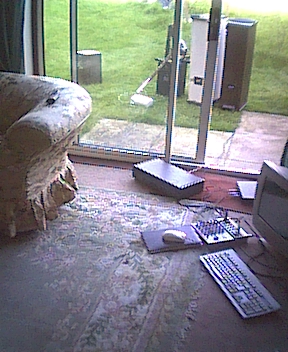
Early testing 2002 established the difference between anechoic chamber and near-anechoic garden: testing shown here is measuring the differences between bare drivers, wooden enclosure, and non-wooden
enclosure, as well as benchmark Aiwa's from the anechoic test benchmark. This provides double benchmark and controlled testing before transferring into the listening lounge.
|
MEASUREMENTS
Measuring the World's Best Speakers? -
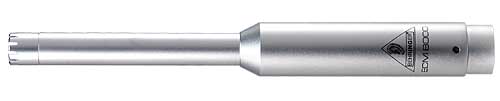
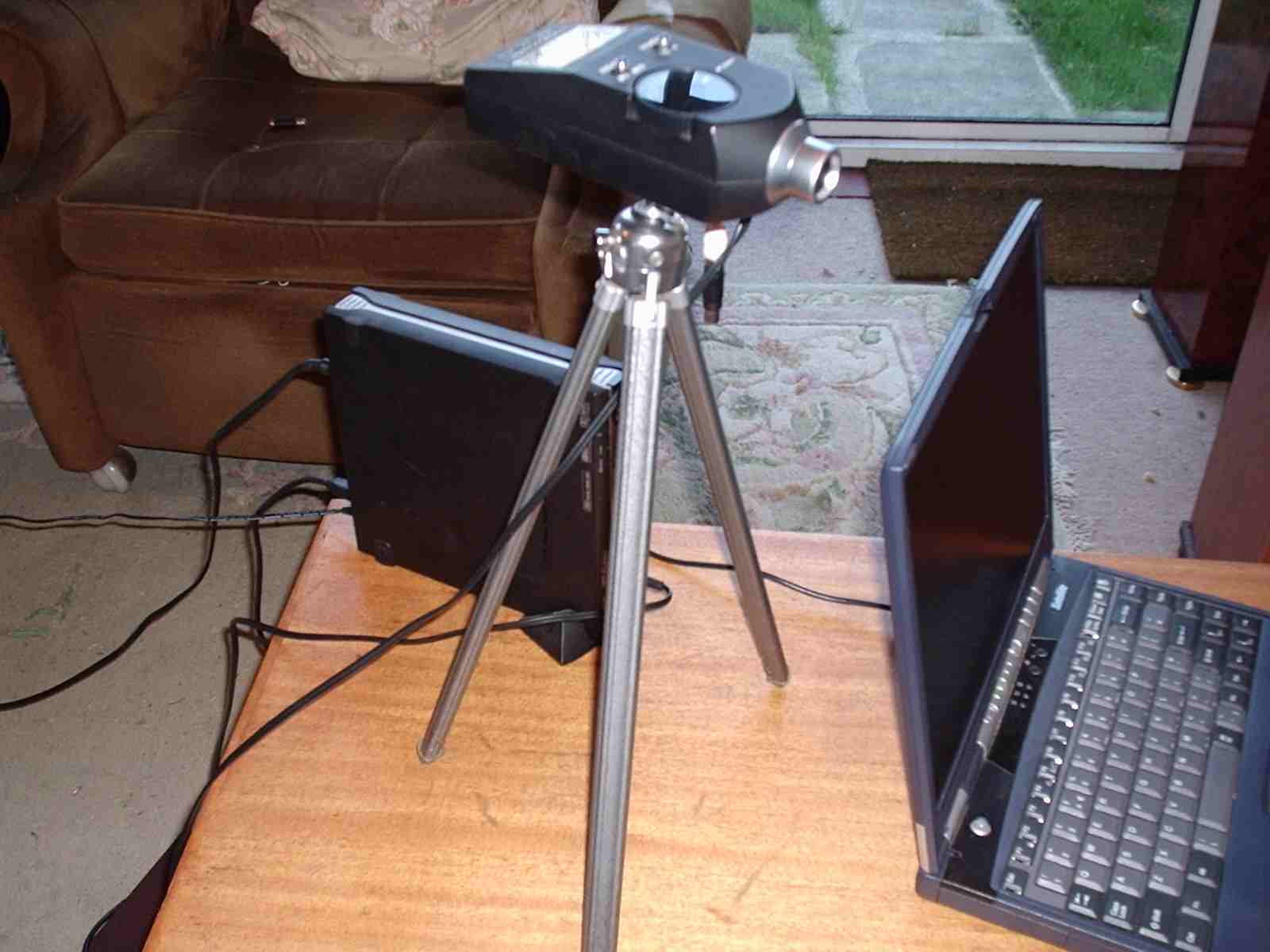
most tests were performed with the Tandy SPL meter: switchable to 'C-weighting' which is completely flat then from 2khz down to below
20hz (+-0.1dB) and the data used to compensate above 2khz was plotted, and used in professional measurement software using those microphone calibration files created for this task.
Furthermore - the system was regularly calibrated against a full anechoic test done for comparison at
a Bruell& Kjaer (B&K) lab in London on two seperate days by different staff - just to make sure there could be no errors.
The system now uses a seperately powered soundcard > 100dB SNR, connected via USB to more
advanced software than was used in London, but still referring to those tests as a benchmark.
It took a long time (4 man weeks spread over 1 year) to be able to measure in the listening room,
and identify mistakes at every stage of the process. Eventually succeeding in attaining comparable measurements in a fraction of the time and equipment- by patience, listening to criticism, and
experimentation. You cant just plug in and go - you have to understand the effect of every variable and establish a repeatable procedure for each loudspeaker tested, for each measurement.
before staff undertook this task, they were already expert in instrumentation, and Software, but it
took 100 times longer than expected because of all the variables. The microphone is the most obvious thing to get right, and probably one of the most important. The approach we use, your
understanding of measuring kit limitiations is more important than the measurement itself.
|