|
|
|
|
|
|||
|
|||||||
 |
|||||||
 |
|||||||
 |
|||||||
 |
|||||||
|
|
|
|
|
|
|
|
|
 |
||||||||
|
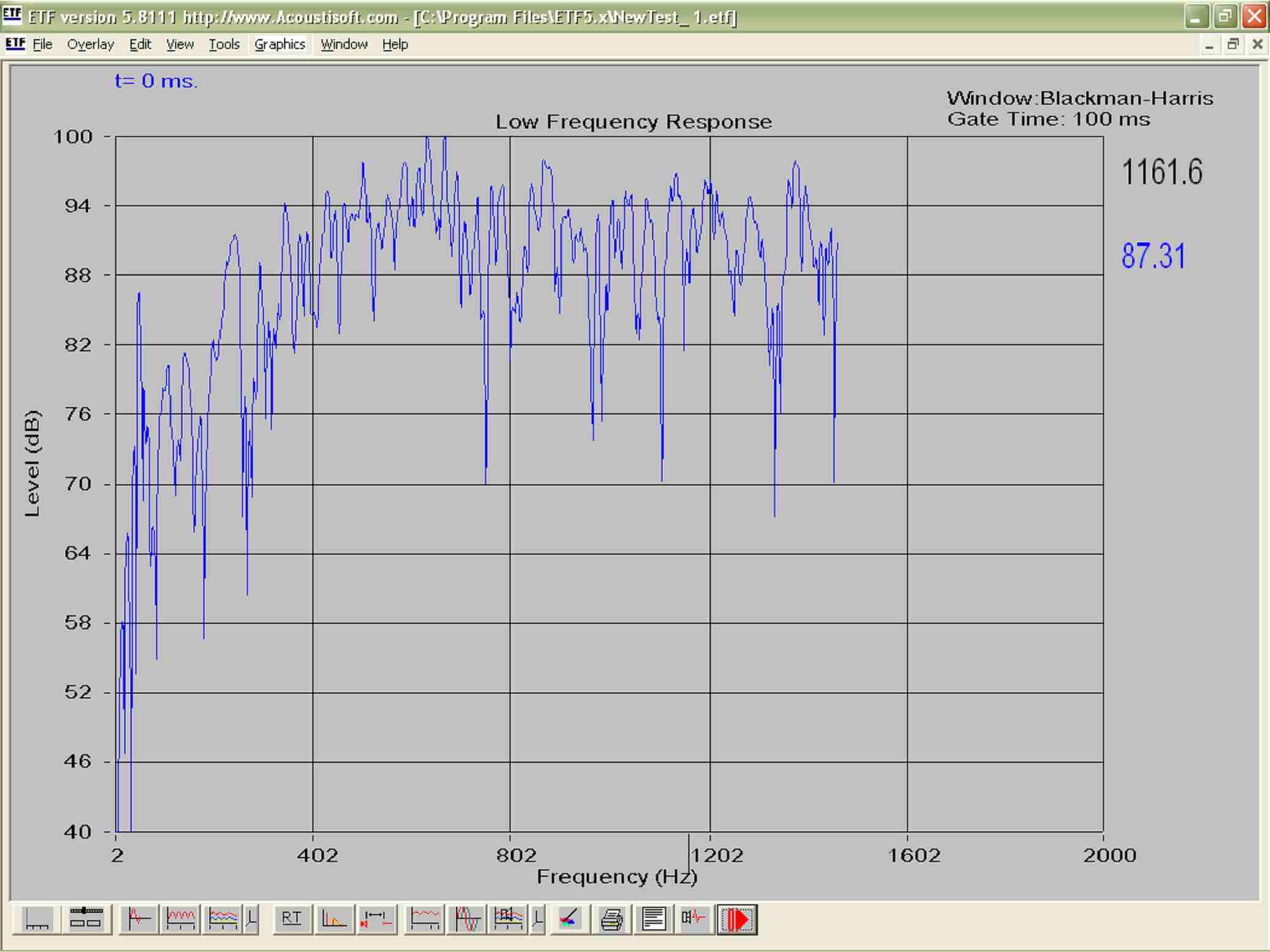
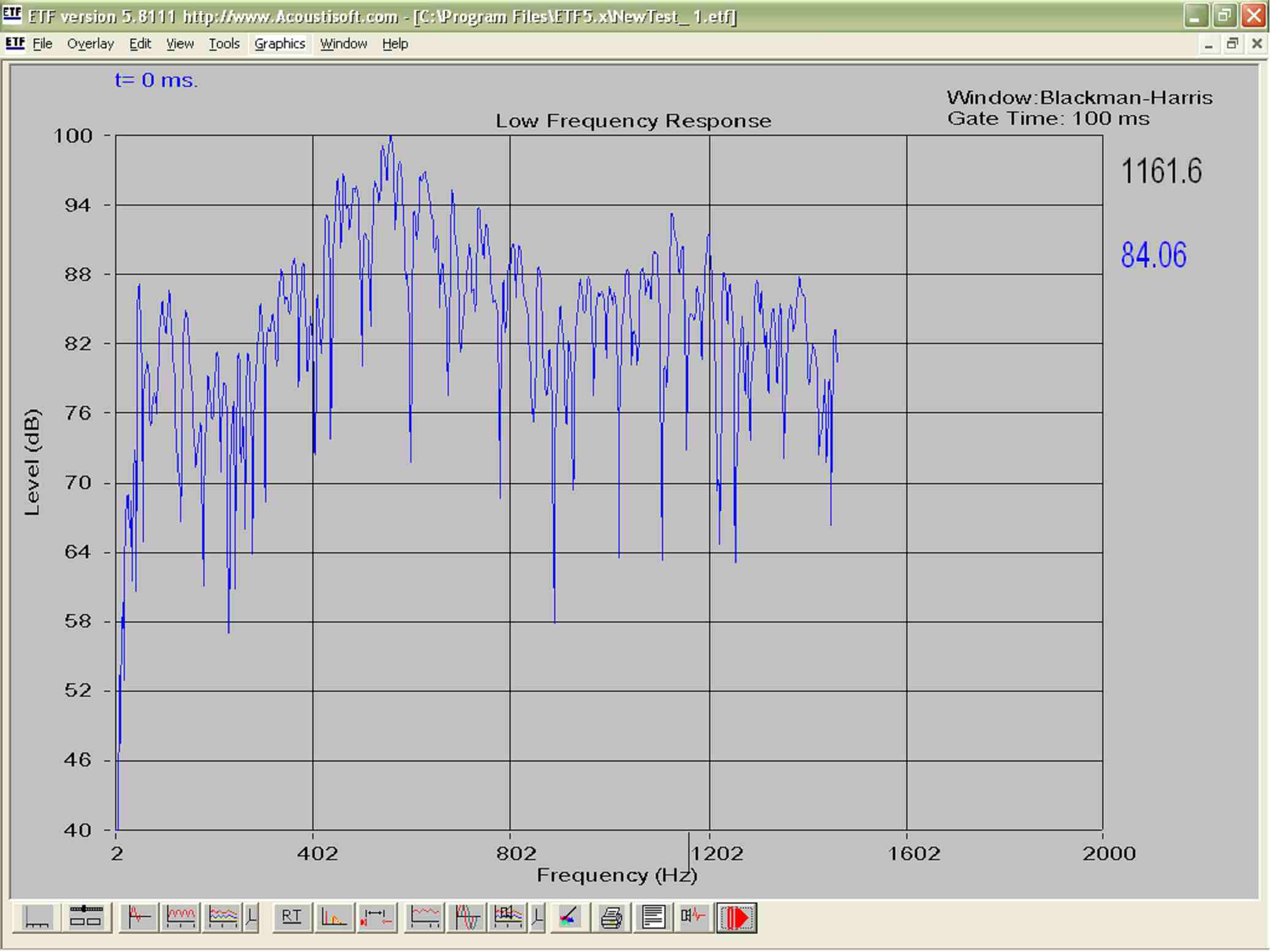
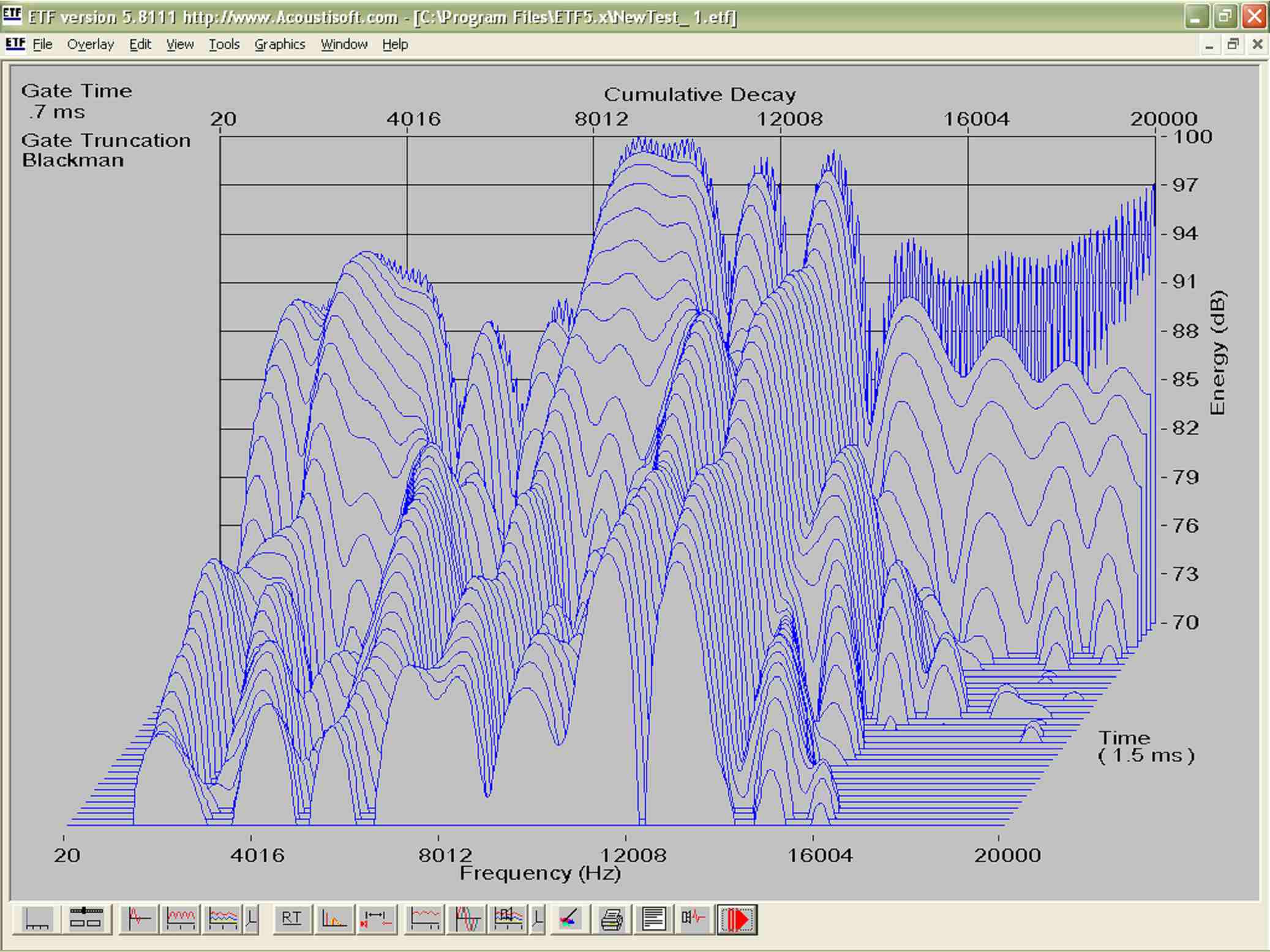
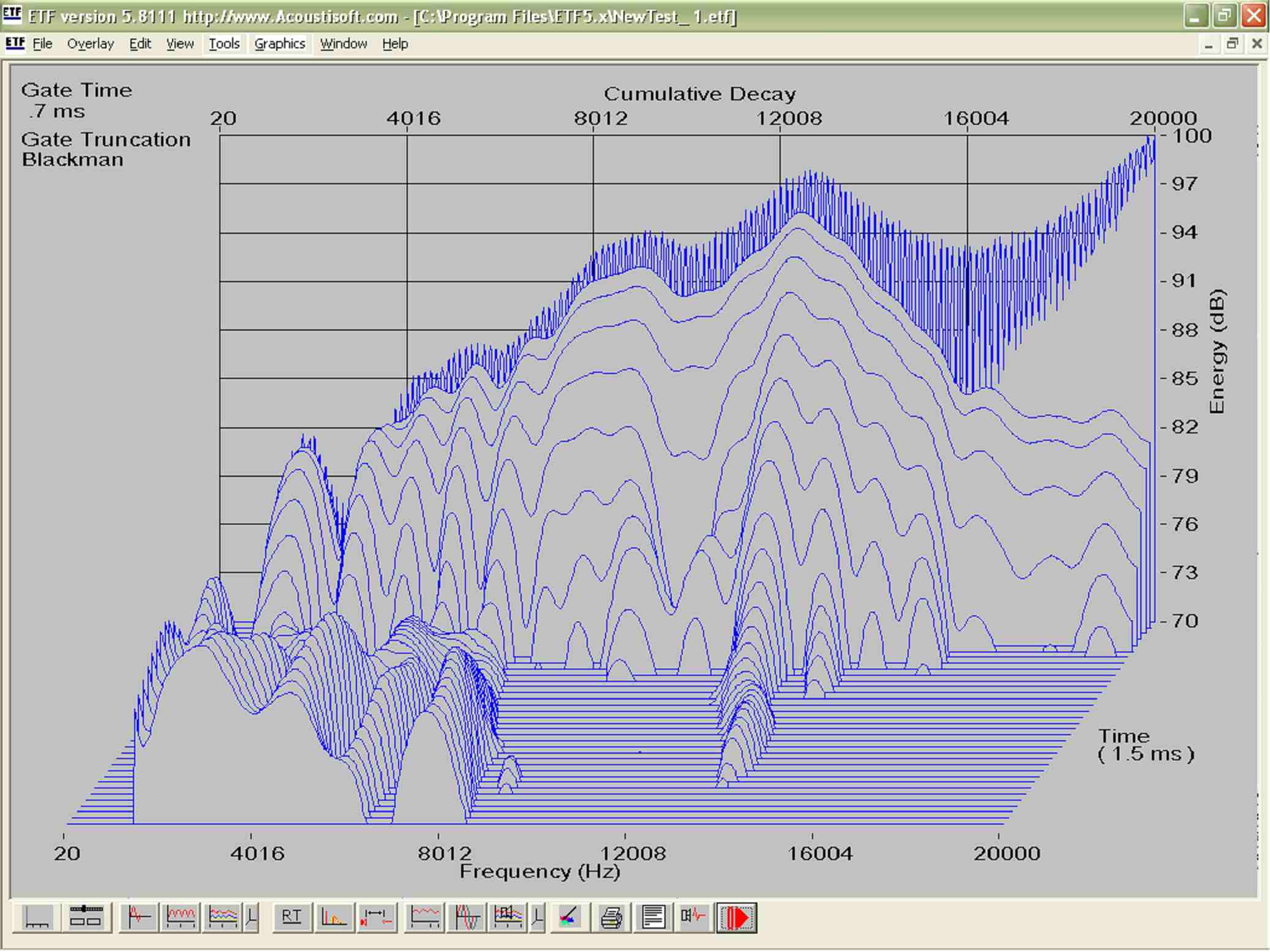
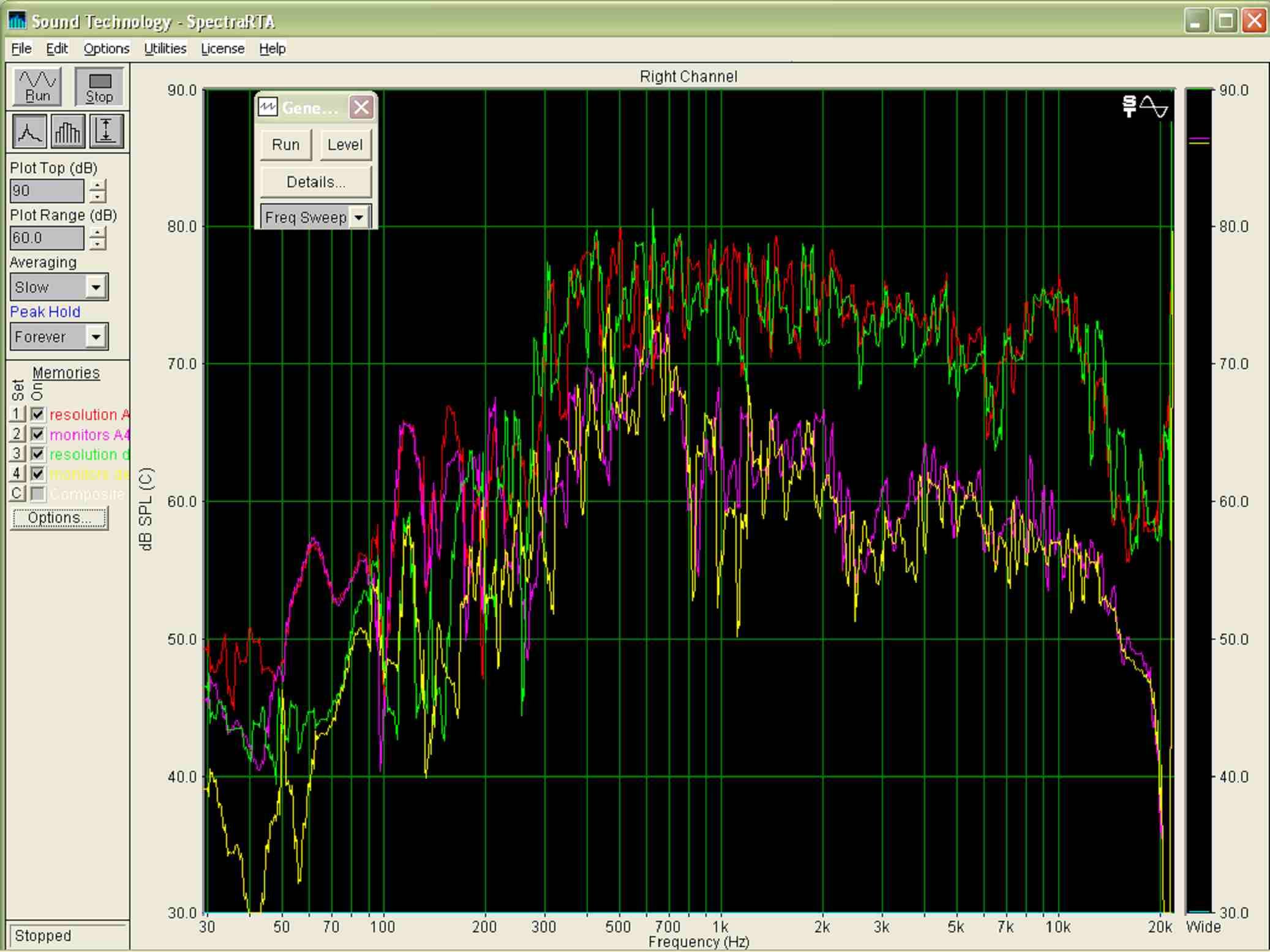
Frequency Response is obtained using a variety of techniques - suitable for different situations Spectra RTA laptop software Swept sine recorded with peak hold, memories used to compare differences ETF MLS laptop software very good for LF, transient response, waterfall plots, pseudo anechoic allows accurate bass in lounge to discern direct from reverberated paths. |
||||||||
 |
||||||||
|
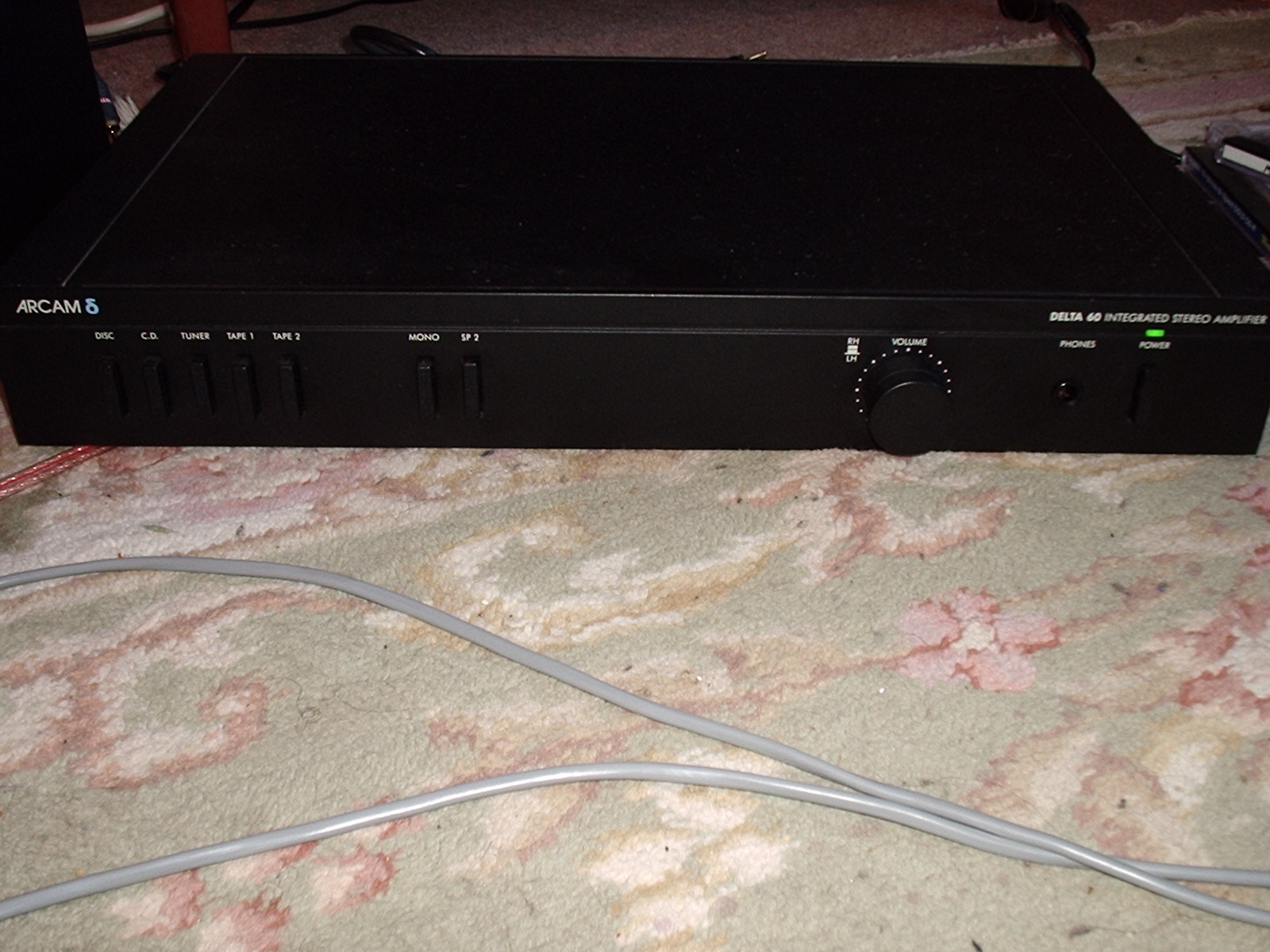
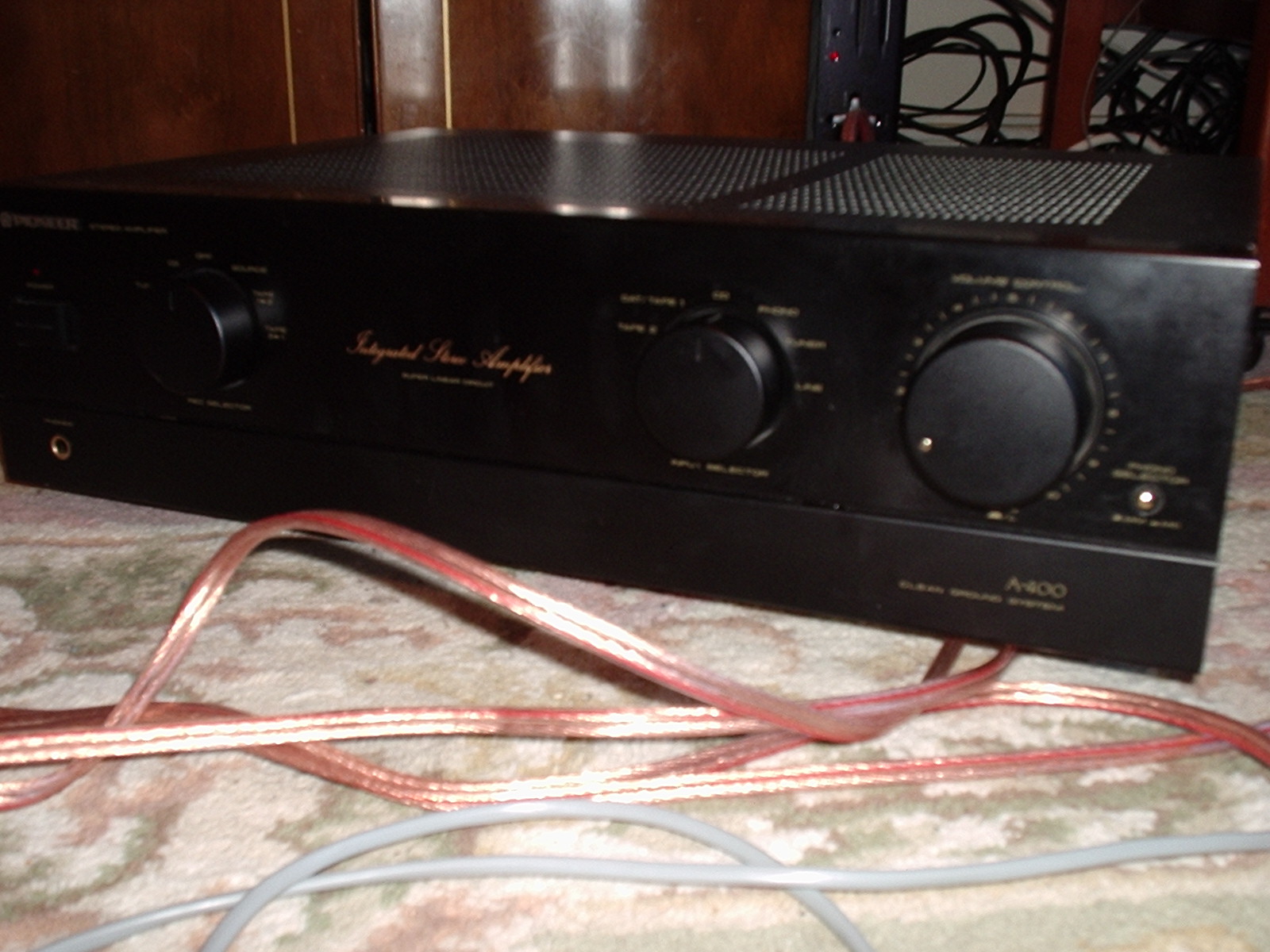
Above: 4 coloured curves measured Dec 17 2003(RTA), showing in lounge response measured @ 4m from 2 different loudspeakers and two different ampliers. Key: YELLOW- Studio monitors connected to Arcam Delta 60 amplifier PINK - Studio monitors connected to Pioneer A400 amplifier GREEN Resolution connected to Arcam Delta 60 amplifier RED - Resolution connected to Pioneer A400 amplifier the studio monitors were badged 'StudioCraft' by we believe BOSE/Marantz, and were two way fron ported reflex designed large bookshelf speaker. although not floorstanders - they are a high quality product and were better than several other floorstanders and bookshelfs we listened to. Note please ignore the region below 45Hz as this was corrupted when the sweep went higher(max hold fn), but in fact continues down at the same slope as for 50-100hz. |
||||||||
|
LF response this is best plotted using ETF MLS software, which can gate out most 'room-boom' so you can measure the driver not the room as well. (please excuse mains hum@50hz spike as this is inherrent in PC measuring). |
||||||||